GIVE REAL ESTATE
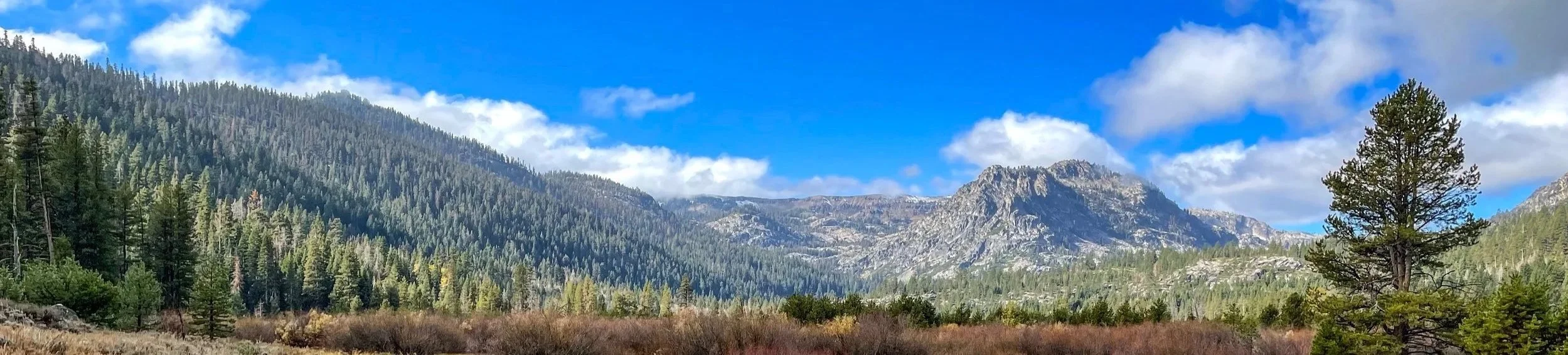
Upper Carpenter Valley.
Your donation of appreciated real estate can make a great gift to the Land Trust.
Your home, vacation property, undeveloped land, farmland, ranch, or commercial property are examples of appreciated real estate. You may be eligible for a tax deduction based on the fair market value at the time of the gift. This method allows you to leverage a larger donation than if you were to sell the assets and donate the after-tax proceeds, providing more support for land conservation.
If you have land, or a residential or commercial real estate asset that is unused or costing you money, consider giving back to the nonprofit you love by donating it to Truckee Donner Land Trust. As a result, you may also be eligible for a significant tax deduction!
Contact the Land Trust at info@tdlandtrust.org or (530) 582-4711 to share your interest in making a gift of real estate and we’ll help you identify the next steps.
Create a Reserved Life Estate
In a reserved life estate, the Truckee Donner Land Trust accepts a gift of property — either a personal residence or farm — and you retain the right to use the property for your lifetime.
In this case, you execute a deed transferring a house or farm to the Land Trust. The deed of the remainder interest to our organization must not be restricted. In the deed, you retain a “life estate” that grants you the right to use the home for life.
At the time of the gift, you and the Land Trust enter into a Maintenance, Insurance and Taxes (MIT) agreement, in which you agree to pay the costs related to maintaining the home. It is possible for you to make a gift of a remainder interest even if there is a mortgage on your property. The Reserved Life Estate typically lasts for the life of the donor.
Benefits
You receive a federal income tax deduction for the present value of the remainder interest in the home or farm. And you can use and control the home or farm for the rest of your life.
Contact the Land Trust at info@tdlandtrust.org or (530) 582-4711 to share your interest in creating a reserved life estate and we’ll help you identify the next steps.
This information is educational in nature. It is not offering professional tax, legal, or accounting advice. Please seek the specific advice of your tax advisor, attorney, and/or financial planner to discuss your unique situation.